
Gippsland Property Market: Affordability Meets Opportunity
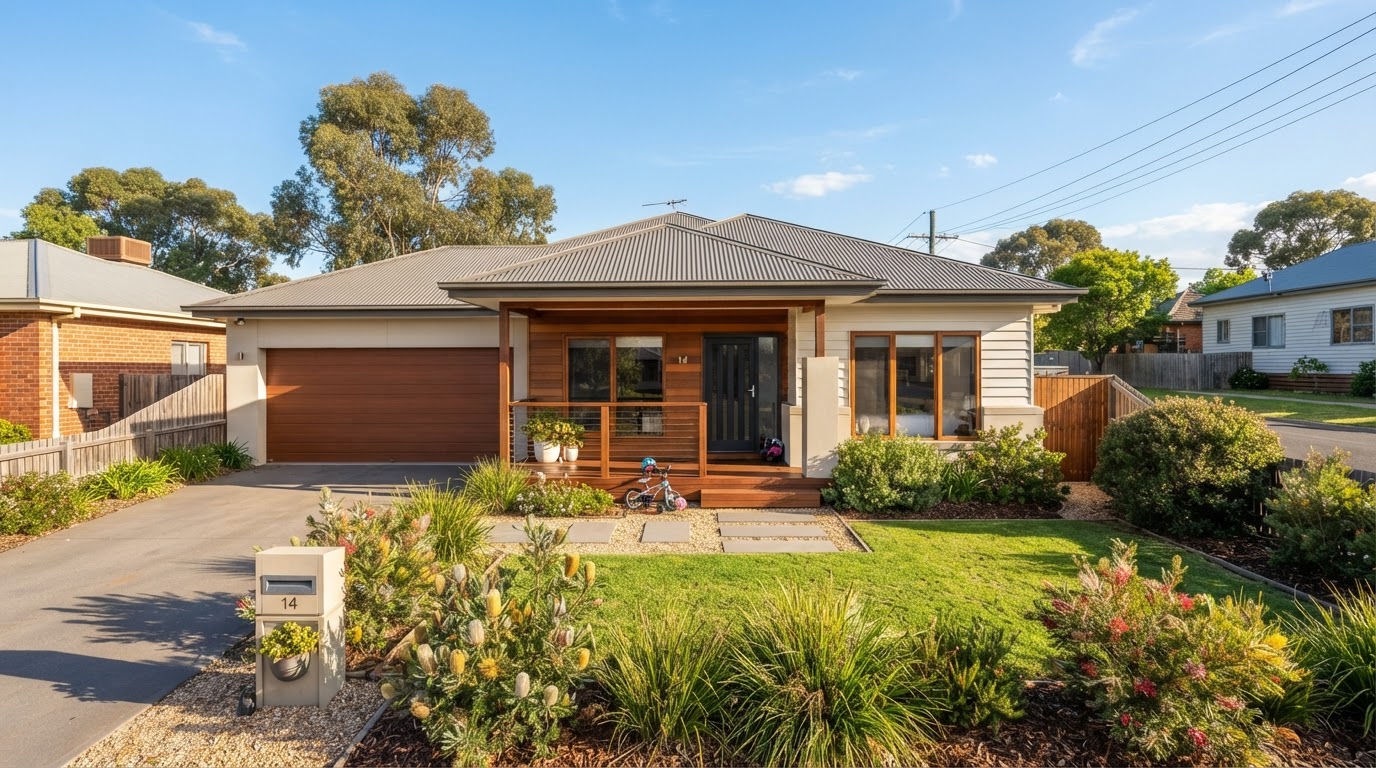
If you’re tracking regional Victorian property, here’s what 2025-2026 is turning into, and why Gippsland’s fundamentals still stack up.
Price Growth: The Long Grind, Not the Big Spike
Unlike the explosive 2020-2022 surge, recent Gippsland growth has been more measured. Medians have tracked upward by mid-single-digit percentages — not eye-catching headlines, but the kind of gains that compound quietly. The region continues to offer detached homes with yards, and in some suburbs three-bedroom houses at prices barely believable to anyone priced out of outer Melbourne.
That value gap is the region’s biggest draw. Melbourne’s median house price still dwarfs Gippsland’s, and the rail connection makes the trade-off between commute time and floor space a no-brainer for many households.
Where the Action Is
Not all of Gippsland moves as one. A few distinct corridors tell different stories:
Bairnsdale and Sale anchor the region’s activity. These towns offer the deepest stock of affordable housing, strong rental yields, and the services that make them genuine alternatives to Melbourne living. They consistently lead regional listings volumes, and they remain the first port of call for first home buyers and budget-conscious investors.
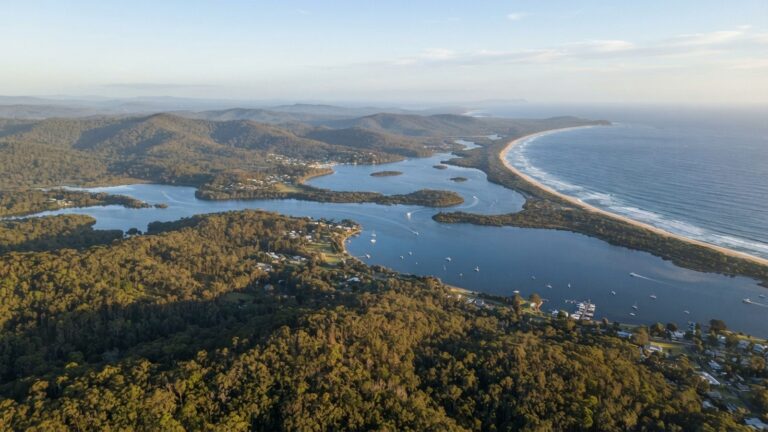
Lakes Entrance and the coastal fringe command a premium on the back of lifestyle. Waterfront land is finite, and the seasonal tourism economy supports short-stay returns that outperform long-term leases. Prices here are higher than inland but remain modest against Mornington or Surf Coast equivalents.
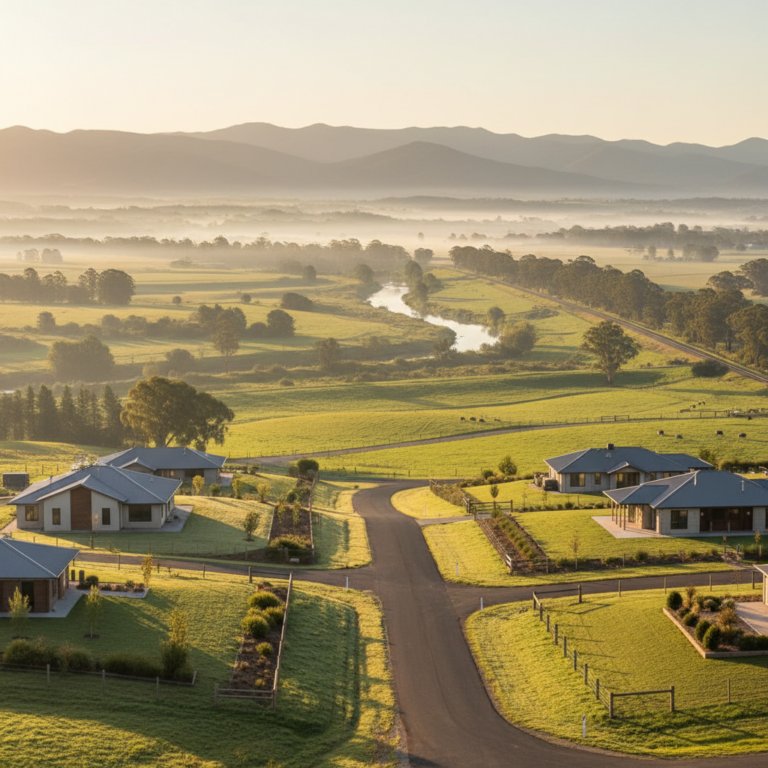
South Gippsland offers a different proposition: smaller, slower, quieter. Towns like Korumburra and Leongatha appeal to buyers seeking acreage or a lifestyle without the tourist crowds. Stock is thinner here, but when it comes, it’s usually compelling value.
The common thread? Buyers aren’t just pricing square metres — they’re weighing commute times, lifestyle, and yield. Gippsland offers all three in varying combinations.
Rental Yields Remain Attractive
Investor activity has cooled slightly from 2022 peaks, but yields remain competitive. Three-bedroom houses in Bairnsdale and Wellington Shire continue to deliver gross returns comfortably above the state average for regional areas. Vacancy rates, after a period of tight supply, have normalised — but the region still leans landlord-friendly compared to the capital.
For investors, the equation hasn’t fundamentally changed: entry prices, yield, and rental demand align better here than in most alternatives west of Melbourne or along the Murray.
Infrastructure: The Quiet Enabler
The story underneath the numbers is investment in the road and rail network. Continued upgrades to the Princes Highway, the Princes railway line, and growing investment in hospital services and schools mean Gippsland isn’t just a “holiday region” anymore — it’s a functioning regional economy with serious public infrastructure behind it.
Buyers notice these investments long before they show up in median price data. When infrastructure gets funded, property values follow — and Gippsland’s infrastructure pipeline is active.
Who Should Be Watching
First home buyers who want more than a unit, especially in the eastern corridor: Gippsland’s value proposition remains intact.
Investors looking for yield and low competition: the coastal market has matured, but inland towns still offer compelling entry points.
Tree-changers and sea-changers who value quiet, space, and community: South Gippsland and the hinterland towns offer acreage and acreage-equivalent options that are genuinely scarce in Melbourne’s growth corridors.
What to Expect in 2026
Borrowing capacity remains the wildcard, as it does nationally. But Gippsland’s fundamentals are durable. Affordable entry, improving infrastructure, a diversified employment base (education, health, tourism, agriculture), and a steady pipeline of buyers from Melbourne looking for a different equation — these conditions tend to outlast rate cycles.
The region won’t deliver the fireworks of 2020-2022, but it will likely deliver steady, reliable growth. For patient buyers, that’s often the better deal.
The Gippsland Property Review tracks the region’s property market across East Gippsland, Wellington, South Gippsland and the Baw Baw Shires. We break down median prices, investment yields, development news, and suburb-specific trends — so you can make informed decisions about Gippsland property.
Related Coverage
For more on Gippsland property: First Home Buyer Gippsland 2026: $10K Grant, 5% Deposit Scheme & Where to Buy Under $500K · Maffra Property Market 2026: Why This Wellington Shire Town Is Quietly Outperforming
Proudly supported by hello-clarence.com
One Comment